
ISO 9001:2015 CERTIFIED FACILITY
Kolkata Knives America
Kolkata Knives America supports custom industrial and OEM components through forging and casting, followed by precision machining and downstream manufacturing where required. We review the drawing, material, geometry, quantity and finished requirements to determine a suitable manufacturing route.
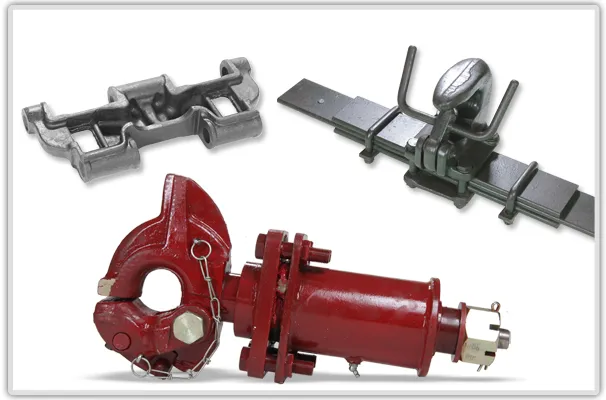
Not every engineered component should begin as bar stock or plate. Forging and casting can provide suitable starting forms where geometry, material utilization, strength requirements, production quantity or machining volume make these routes appropriate.
The manufacturing route depends on:
Part geometry • Alloy • Mechanical requirements • Component weight • Quantity • Tooling • Finished machining • Inspection requirements
KKA reviews the finished component requirement first and determines whether direct machining, forging plus machining, or casting plus machining should be evaluated.
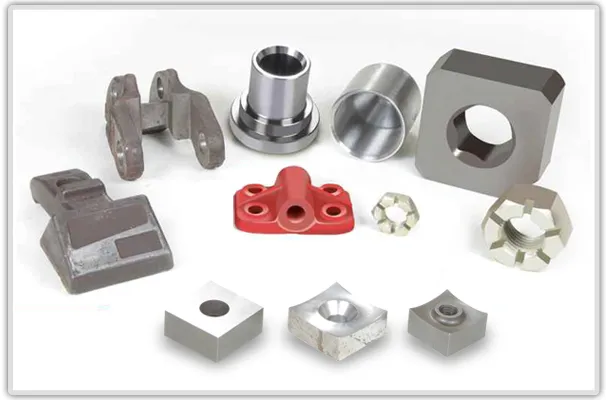
Kolkata Knives’ manufacturing network supports ferrous and non-ferrous forging requirements together with subsequent machining of forged components. Forging can provide an efficient starting form for components suitable for drop or press forging.
A forged blank may require machining to establish: Datum faces • Mounting surfaces • Holes • Bores • Threads • Pockets • Profiles • Slots • Shoulders • Cylindrical diameters
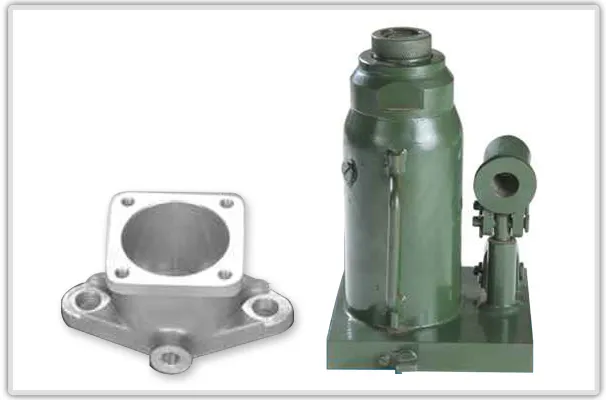
KKA supports selected ferrous and non-ferrous casting requirements through its manufacturing network, with subsequent machining available where required by the finished component specification. The parent Kolkata Knives site describes access to ferrous and non-ferrous foundries and identifies casting and machining as part of its manufacturing capabilities.
Subsequent machining can establish: Mounting faces • Bores • Holes • Threads • Pockets • Slots • Datum features • Bearing locations • Mating surfaces
Forged and cast components may require additional CNC machining, precision grinding, heat treatment, straightening, inspection and finishing to meet the final drawing and application requirements.
Explore our Manufacturing Capabilities to see the machining and downstream processes available for industrial knives, components and custom OEM parts.
5000 mm x 825 mm
350 mm x 1000 mm
4200 mm x 300 mm
Forging, casting and downstream machining can support selected component requirements across industrial and OEM applications where material, geometry, production quantity and finished requirements must be considered together.
Forged and machined components for automotive applications.
Components for demanding mining and earthmoving equipment.
Engineered components for material handling systems and equipment.
Custom components manufactured to drawing and specification.
Components for demanding metal-processing environments.
Forged, cast and machined components for equipment applications.
Component requirements reviewed according to material and application.
Custom component requirements for demanding industrial applications.
Drawing-based manufacturing for specialized component requirements.
Kolkata Knives America supports custom forged and cast components manufactured to customer drawings, specifications and application requirements.
From manufacturing-route review to machining and downstream processing, the requirement can be evaluated as a complete component rather than as a raw forging or casting alone.
SEND YOUR DRAWING OR PART DETAILS
Upload your drawing, CAD file or existing component information for review.
Have a component that may require forging, casting or machining?
Share your drawing and requirements with our team for manufacturing-route review.
Ready to optimize your production? Send us your specifications or technical drawings for a detailed engineering review and quote.
+1-408-868-8867
sales@kolkataknivesamerica.com
PO BOX 23110, Pleasant Hill, CA 94523
Yes. KKA supports ferrous and non-ferrous forging requirements together with subsequent machining of selected forged components according to customer drawings and specifications.
Yes. Suitable forged components can be reviewed for CNC milling, horizontal machining, CNC turning and conventional machining to produce the required finished features.
KKA supports ferrous and non-ferrous casting requirements through its manufacturing network, with machining available for suitable cast components. The parent company publicly identifies access to ferrous and non-ferrous foundries and casting with machining.
KKA supports ferrous and non-ferrous casting requirements. Final casting suitability depends on the material, geometry, component requirements, quantity and finished specifications.
Where the material and component specification require it, the manufacturing route can include heat treatment, straightening, precision grinding, surface finishing and inspection.
No. Send the component drawing, material or alloy requirement, expected quantity, application and available manufacturing information. The team can review whether direct machining, forging plus machining or casting plus machining should be evaluated.
Existing component information, photographs, drawings, CAD files, dimensions and samples can help establish the requirements. Additional engineering information may be requested before manufacture is confirmed.
© 2026 Kolkata Knives America. All rights reserved. Precision manufactured in compliance with ISO 9001:2015.